
Music
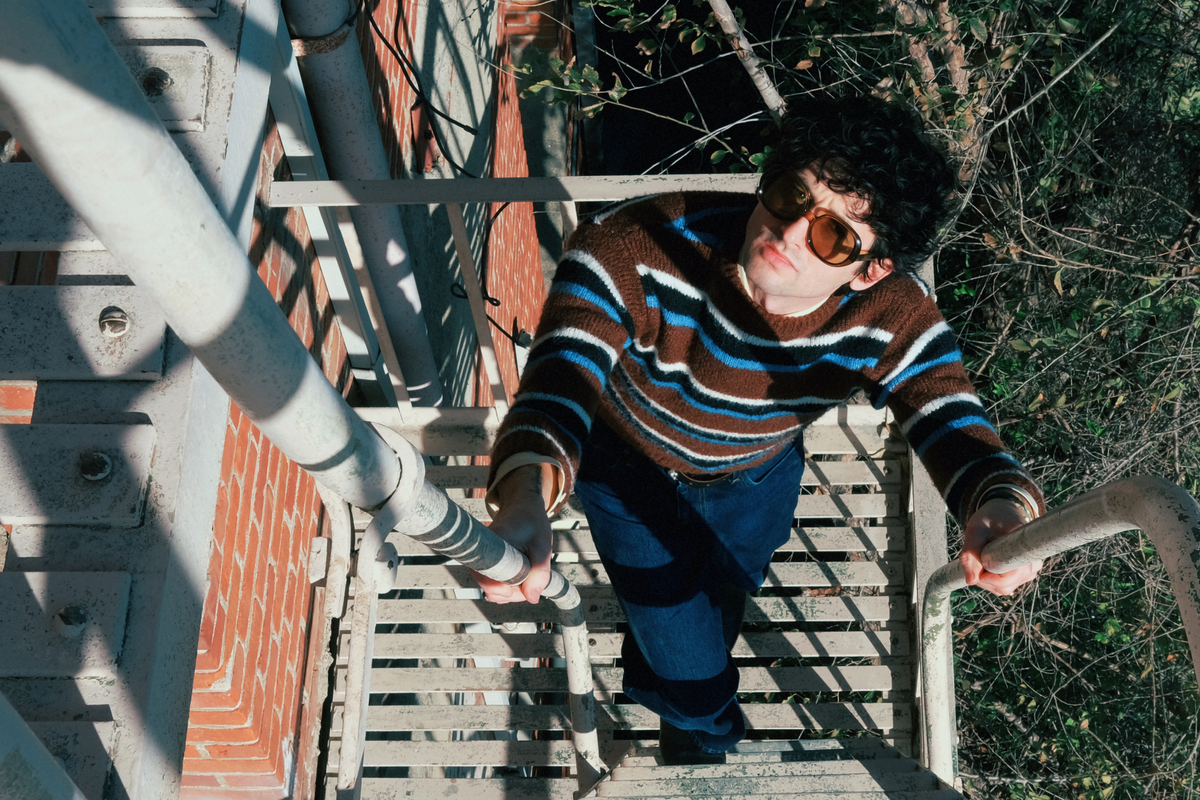
Patrick Martin thought his label had shelved him.
He had, after all, paid for the entirety of his upcoming album out of pocket: gear, mixing, mastering. The works.
When Martin presented the album to the label for a listening session, he had one request: listen.
“It is a big ask to ask someone to sit and not do anything but listen,” he says.
Martin knows that phones are largely responsible. People have developed an addiction to multitasking, he says. At the hands of the algorithm and blue light, people now want to partially distract their brains, whether they realize it or not.
So, Martin went old-school — back to the days when vinyl records came with comprehensive sleeve inserts of lyrics, photos and stories. But Martin didn’t customize vinyl sleeves.
He custom-made an entire magazine.
@iampatrickmartin Who wants one? #diy #magazine #indiemusic #indieartist ♬ original sound - Patrick Martin
Martin included personal anecdotes about the inspiration behind the album in an attempt to enrich the listening experience, and, of course, get his label to pay attention.
“‘Before we listen,’” Martin recalls telling his label, “‘you can use these, but no phones.’”
Martin pulled the magazines from a bag and handed them to everyone in the room.
“‘Please, everyone, put your phones away, not even in sight,’” he told the label. “‘This is it. Be here for this.’”
The response was exactly as Martin imagined: “They were all so fucking excited,” he says.
Martin was, too. He wrote the album to be experienced in a single sitting.
“Now it seems old-school, but people used to listen to albums front to back,” Martin says. “That’s how they were written. That’s how they were meant to be experienced.”
Related: 'My Life Is an Art Project': Annika Rose Wants You to Slow Down
The magazines were Martin’s attempt to counteract our addiction to our phones, he says. Because the problem is larger than his record label — Martin calls phone addiction and fragmented attention a “global crisis.”
“These companies, their goal is to steal our attention and time,” he says. “That is their entire business model, and it’s devastating. It’s creating generations of children who don't know how to communicate.”
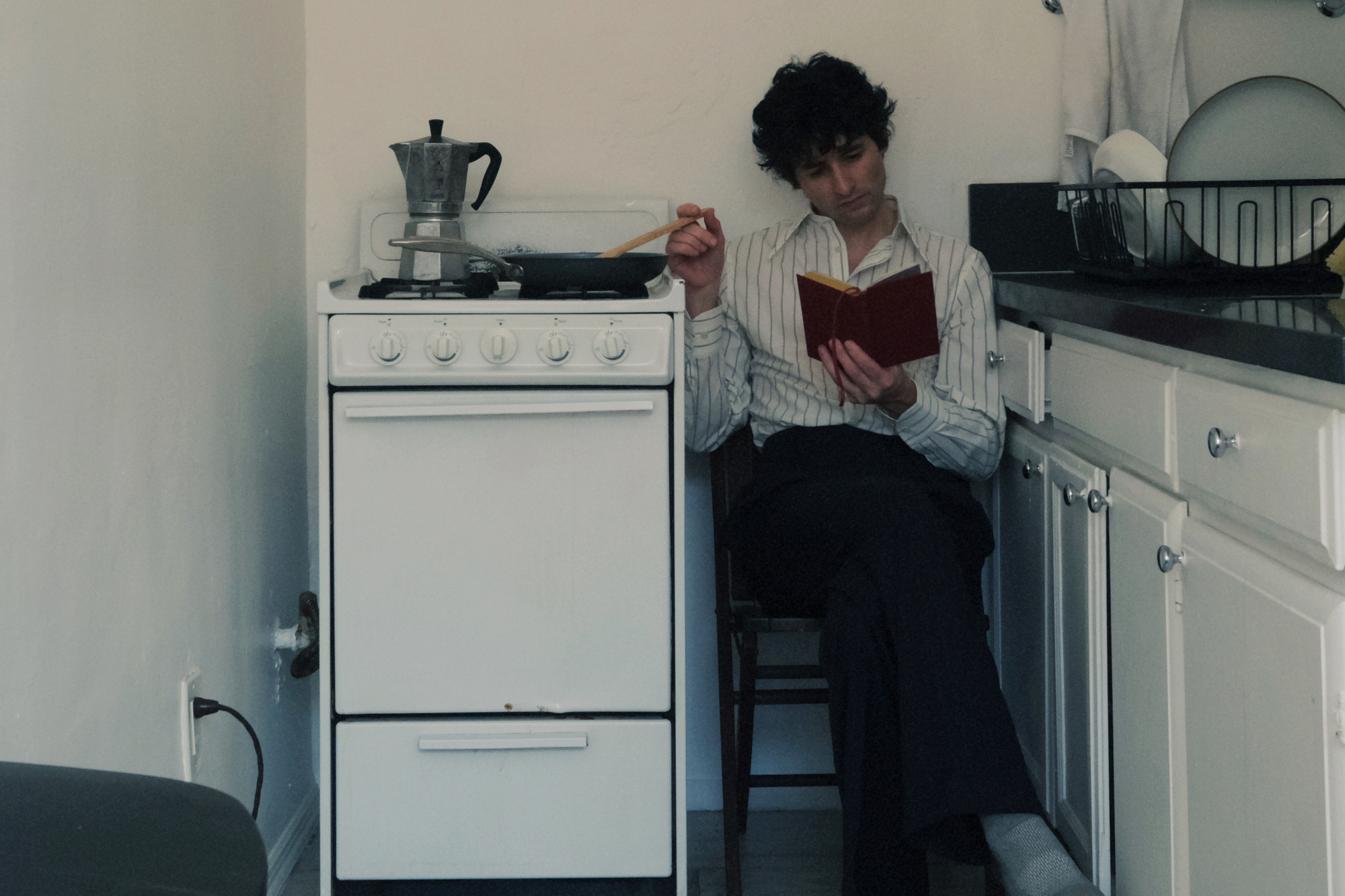
Social media has also changed people’s perception of the work it takes to be successful at something.
“Virality has made people believe that they can just skip all of the before, all of the exploration of self, all of the different failures,” Martin says.
He calls chasing the algorithm and churning out content with the catchiest hook a “bastardization of the process of creativity.”
For Martin, his creative process took him to the woods of his native Wisconsin where he could create without distraction.
“I was very disillusioned with my work and the trajectory I was on,” he says.
“I just knew I needed — for myself, for my art — to do the hard thing and go and process through the work and create something that felt purely me.”
The result is his upcoming album, with the lead single, “Only Good At Being Young,” arriving in early July.
“This is my Glastonbury song,” Martin says.
He’s been a working artist for 10 years, and despite the quick dopamine hits that come with our devices, he’s choosing to operate on his own timeline.
“If you believe in your art, you do have to do something, but I think I have vowed to do it my way, and I think that will pay off in the slow process that it takes.”
Don't miss the next story: Subscribe to the Hollywood Rebound newsletter for free interviews and features on the artists shaping entertainment.