
Film and Television
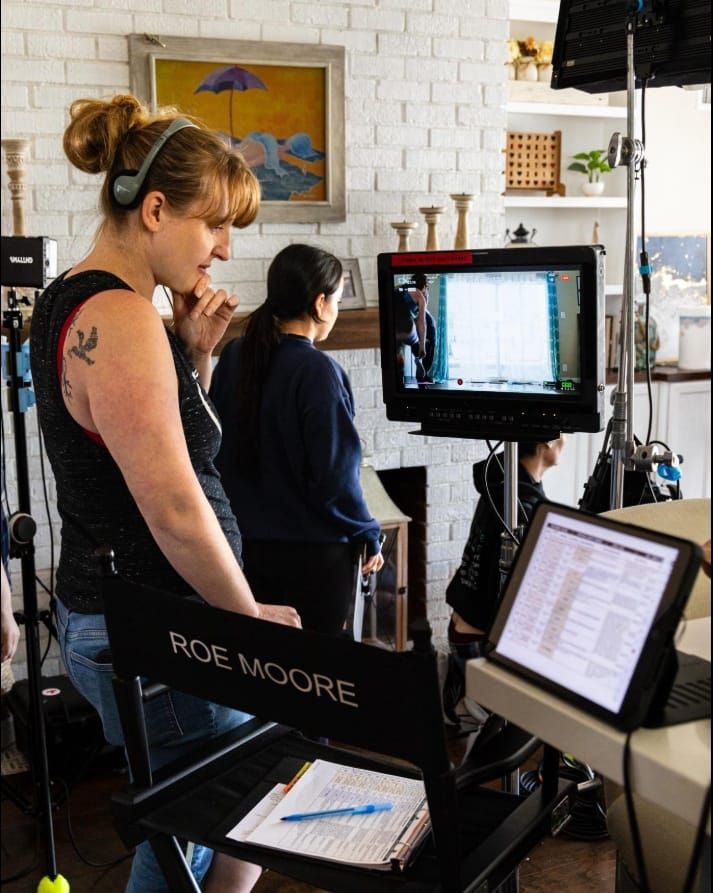
Depression. Anxiety. Finding comfort in an unconventional external source.
These are the themes explored in Walkies, the 10-minute short film directed by Roe Moore that makes its world premiere at Pasadena International Film Festival this April.
The film follows Esther, played by Mariana Arôxa, as she navigates a cycle of depression until she finds an unexpected companion: a robotic dog named Luno.
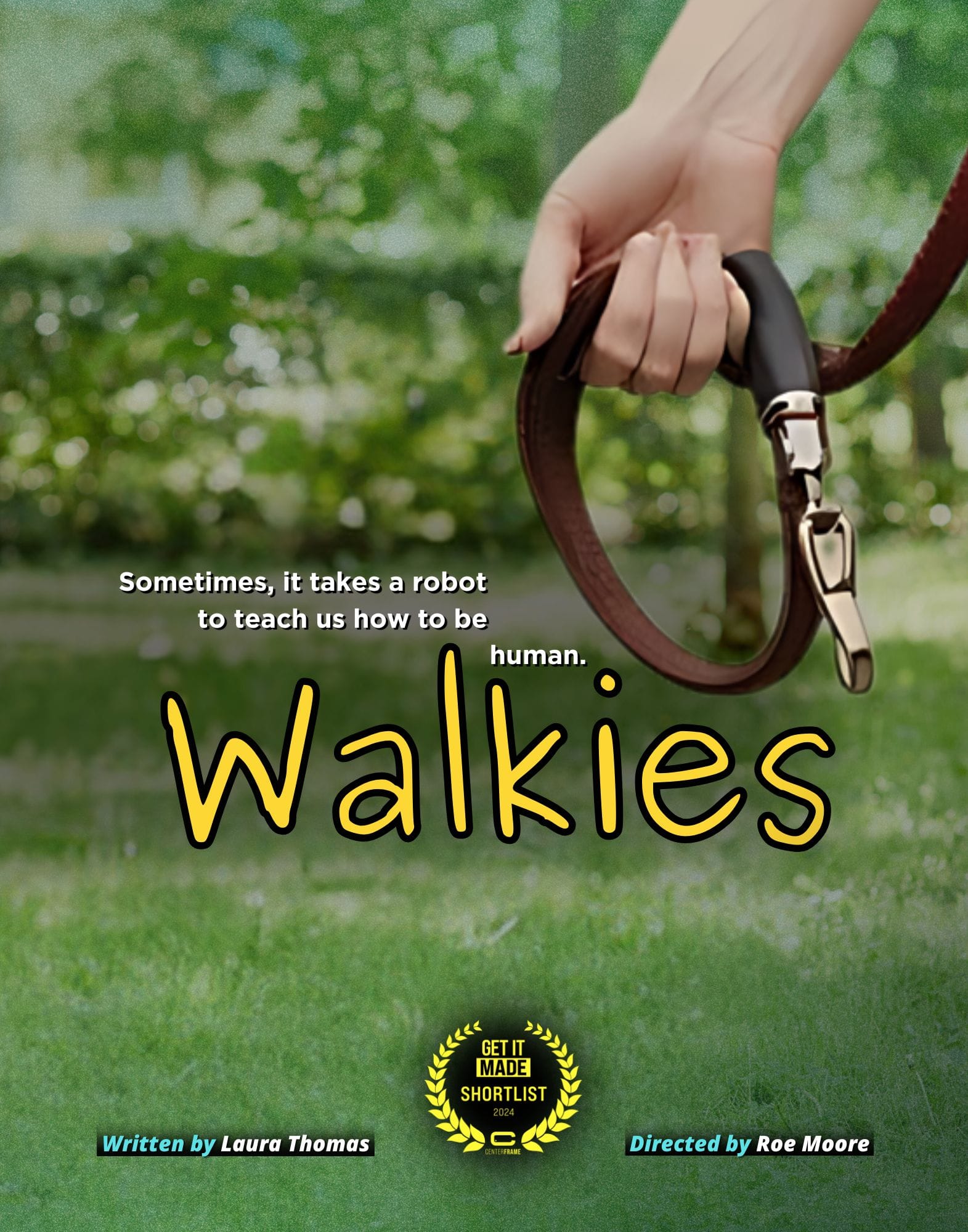
The film was made through a partnership with CenterFrame, a United Kingdom-based organization that connects filmmakers with the tools and resources to bring their projects to life.
The program pairs producers, directors and writers to make a complete project. Writers are selected based on their scripts. Directors and producers pitch themselves to the writer and explain how they see the project coming to life.
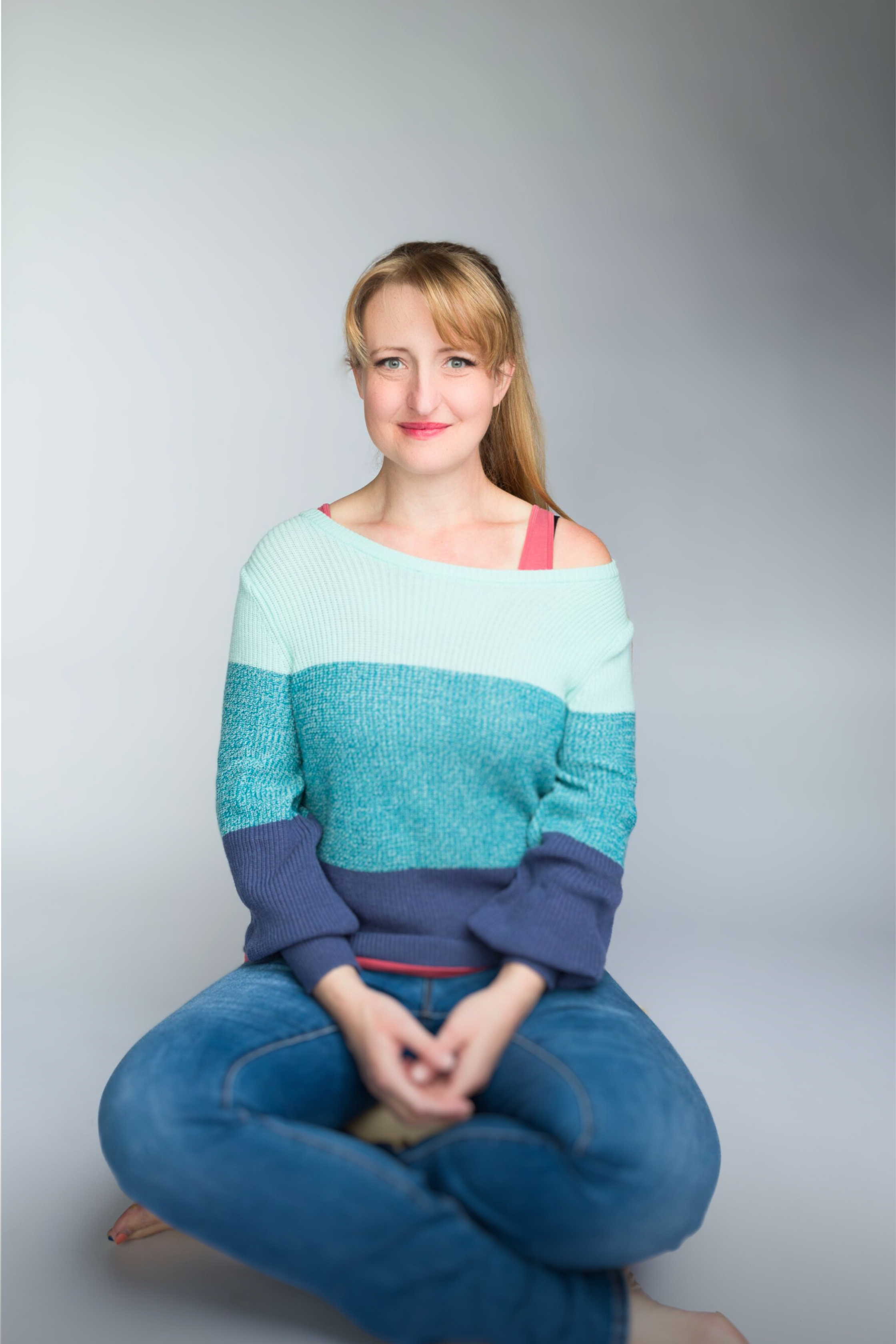
Moore was matched with writer Laura Thomas, and the pairing changed the film completely.
“I think what sold her on it is that I saw how important the dog part was and that the mental health part had to be involved,” Moore says.
Moore picked up on the mental health component of the script upon first reading it. Thomas had been approaching it from a different angle entirely — writing the story through the perspective of someone afraid of dogs, Moore explains.
Moore’s comedic background allowed her to add subtle comedy to the film in a way that’s more authentically British.
“It was a different exploration to understand how they do comedy for the camera,” Moore says.
The film was also an exploration into controversial territory: robotics and AI to assist with mental health.
Luno isn’t a prop made for the purpose of the film. It's a real robotic dog called Jennie built by the company Tombot.
"When my mother-in-law's Alzheimer's dementia forced my husband, Tom, to re-home her dog for safety reasons, we were unable to find any suitable alternatives to live animal companionship," Marissa Steingold of Tombot wrote to Hollywood Rebound in an email.
In response, Tombot launched in 2017 to help people around the world struggling with mental health adversity. There is now a 23,000 family waitlist, according to Steingold.

Moore says the idea of a robotic dog shouldn’t overshadow the main message of the film.
“It's about how she, Esther, goes through and moves through depression,” Moore says.
“They say the beginning is such a slow burn. It's like, ‘What are we leading to?’ But to me, that's what depression is: it's the same day over and over again,” Moore says.
That was the angle the filmmakers wanted to showcase. It wasn’t about taking a stance on AI and robotics — “There's been plenty of reviews that we've been getting back where people are like, ‘Why didn't you take a stance on this?’” — but showing that a companion or something external in your life, even if obscure, can help you through a challenging time.
Moore says she fell into a depression two years ago. The one thing that got her through?
Duolingo.
“Knowing that every day there was one thing I had to do, which was an exercise, and building that consistency, it allowed me to start trusting,” Moore says. “And that's more of what I wanted to have Luno be to [Esther] rather than this larger conversation about, ‘Oh, the robots are taking over therapy.’”
So, why a dog?
Dogs represent unconditional love and community, Moore says. It also allows the storyline to move forward.
Moore describes a scene in which Esther meets a man named Robert at the dog park with a robotic dog of his own.
“After she finds Robert with his other dog, the visual of the fact that there's this gate and there's an opening and she comes running through, what we tried to mimic with that is as if she was running through the gates of heaven,” Moore says.
Now, Moore is heading to Pasadena International Film Festival for the film’s world premiere. The festival has championed Moore’s work for three years in a row, she says.
The film’s minimal dialogue and short run-time allows the filmmakers to add more nuance to characters’ actions and examine the micro aspects of life that a feature doesn’t allow for, Moore says.
The filmmakers also want to share a message of hope: "I really want people to walk away knowing it's going to be okay — and that it's okay to ask for help, even if it's something subtle and different from how everybody else approaches that," Moore says.